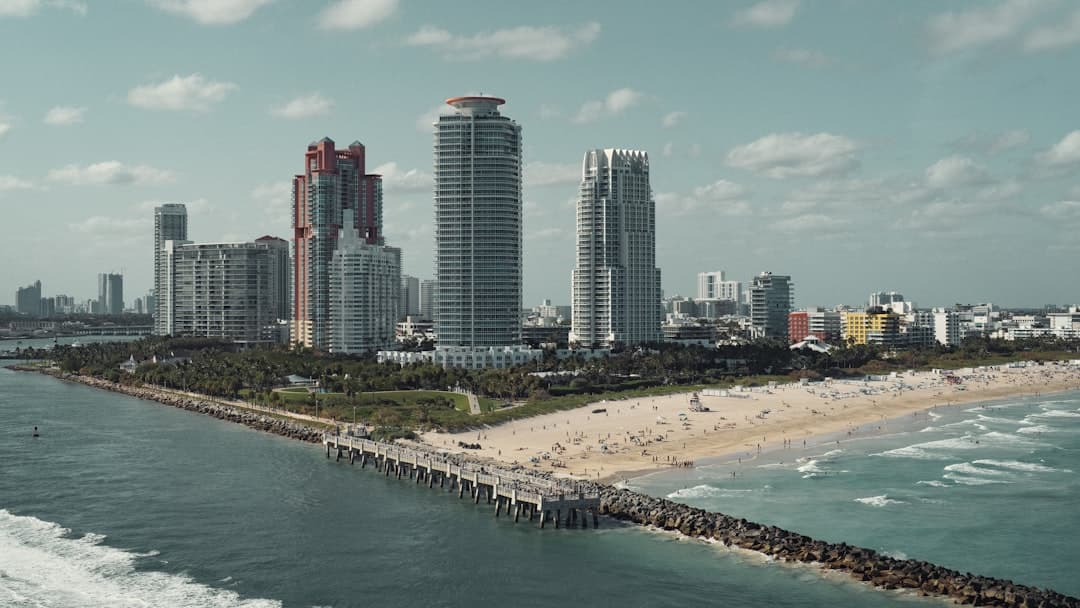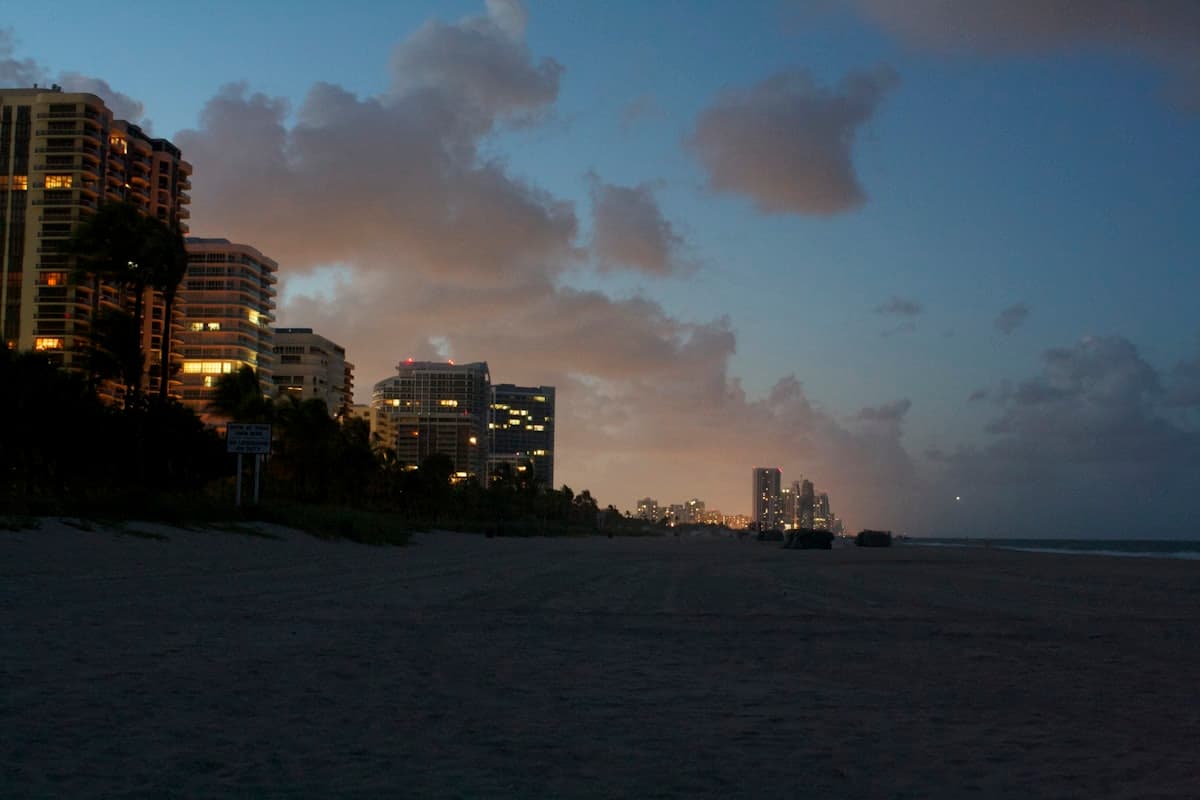
Miami's luxury real estate market is experiencing a fundamental shift in dynamics, with active listings jumping 11.2% year-over-year to 7,551 properties, diluting the urgency that defined the post-pandemic surge and extending deal timelines across all price segments.
The inventory surge represents more than statistical noise. In a market where speed and cash offers once ruled, buyers are now gaining negotiating leverage while sellers confront longer marketing periods and more deliberate purchase decisions. Median days on market reached 93 in January, up 17% from the prior year.
The change is most pronounced in the luxury condo segment, where listings rose to 12,509 units as Brickell and Edgewater deliveries widened selection. Condo supply now sits at 13.7 months, compared to pre-pandemic levels that rarely exceeded six months. Buyers can compare HOA fees to amenities, negotiate inspection contingencies, and exercise patience that was impossible during the frenzied buying periods of 2021-2022.
But the market isn't uniformly softening. Waterfront properties continue defending premium pricing, showing 5-8% annual appreciation driven by scarce shoreline supply. The ultra-luxury segment above $10 million maintains strength, with Sunny Isles Beach oceanfront averaging above $7 million. These trophy properties benefit from cash-heavy international demand that remains insulated from interest rate pressures.
The inventory imbalance creates clear winners and losers. Interior locations are experiencing 2-4% growth compared to waterfront's 5-8%, while luxury condos face pressure from over 15,000 scheduled 2026 deliveries. The median condo listing price slipped 2.3% year-over-year to $635,000, with reductions reaching 6.15% in Q1 2026.
Single-family inventory tells a different story. Listings climbed just 9% year-over-year to 5,433 homes, representing a 6.4-month supply that remains about 25% below 2019 levels. This segment sustains competition for properties with outdoor space and lot privacy, suggesting the inventory surge isn't evenly distributed across all luxury categories.
Financing and regulatory factors compound the slowdown. Elevated interest rates restrain financed demand even as cash remains common at the top tier. Stricter lending standards and heavier documentation slow underwriting timelines, particularly for jumbo loans. Climate concerns are increasing insurance scrutiny and association reviews, adding friction that delays commitments and widens gaps between accepted offers and signed contracts.
International buyers, who accounted for about 15% of South Florida's residential dollar volume in 2025, continue providing liquidity at higher price points. But even this demand source faces longer due diligence periods as buyers exercise more selectivity in a market offering expanded choice.
The strategic implications are clear for both sides of transactions. Buyers operating with 13.7-month condo supply can negotiate contingencies that were rare during pandemic-era urgency. Sellers face longer marketing periods that raise carrying costs while requiring more competitive pricing and professional staging investments.
Pockets of strength remain. Coconut Grove and Coral Gables maintain about 11 months of condo supply, the lowest inventory levels in Miami-Dade. These neighborhoods benefit from limited new construction and established buyer preference for their character and walkability.
Deposit trends are shifting toward smaller initial deposits and longer cure periods in some new construction contracts, reflecting developers' recognition that buyers have gained leverage. Closing flexibility is increasingly used to bridge inspection items, tenant timing, and cross-border funds movement.
Whether this rebalancing represents temporary correction or structural shift depends on supply pipeline decisions and broader economic conditions. The luxury market's resilience during previous cycles suggests pricing power remains at the highest tiers, but the days of immediate offers and compressed due diligence appear to be ending.
For now, Miami's transformation from a seller's market to something approaching balance gives qualified buyers advantages they haven't enjoyed in years. The question is whether they'll exercise that leverage to secure better terms or wait for further inventory expansion.